Why Timely Septic Services in Wantage NJ Save Money
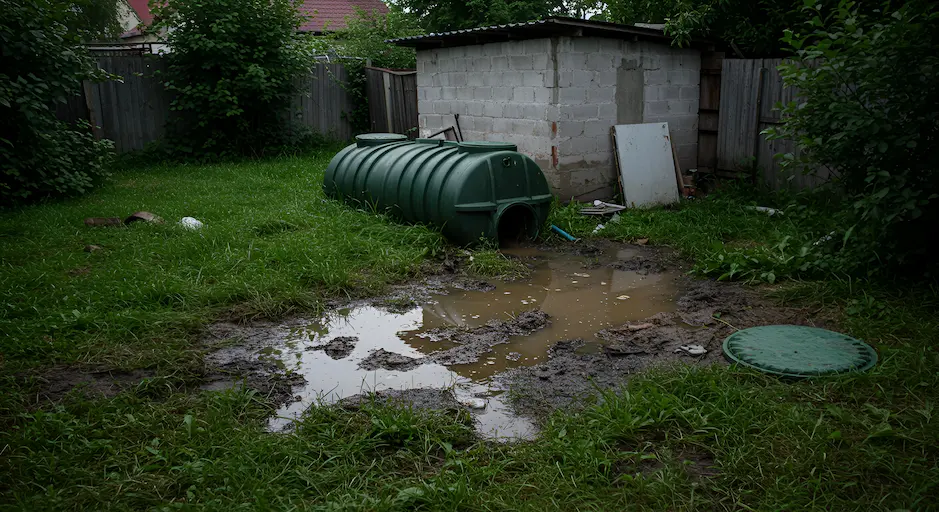
A septic system rarely gets much attention when it is doing its job well. Toilets flush, sinks drain, showers run, and the property carries on as if nothing important is happening underground. That quiet reliability is exactly why many homeowners put maintenance off. The system feels invisible until it stops being invisible, and by that point the bill is usually much larger than it needed to be.
In Wantage, NJ, where many homes depend on private septic systems rather than municipal sewer lines, timing matters. Soil conditions, seasonal rainfall, winter freezes, household size, and the age of the tank all influence how hard a system works. When maintenance happens on schedule, costs tend to stay predictable. When it is delayed, routine service can turn into excavation, emergency pumping, drain field repair, or even interior water damage.
Homeowners often think of septic care as an expense they can postpone for another year. In practice, timely septic services are one of the clearer ways to control long term property costs. That is especially true in rural communities, where a failed system affects not just the plumbing but also the yard, local groundwater, home value, and the timeline of any future sale.
The real cost of waiting too long
A septic system does not usually fail all at once. It declines in stages. Solids build up in the tank, baffles wear down, filters clog, and excess wastewater begins moving toward the drain field before it has been treated properly. At first, the signs are subtle. A sink burps. A toilet flushes more slowly. The grass over one part of the yard looks greener than the rest. There may be a faint odor after heavy rain.
Those early warnings are where money can be saved.
A routine pumping visit is manageable for most households. The exact price varies by tank size, access, and condition, but it is a planned service with a defined scope. A backup into the home is different. Once sewage reaches flooring, drywall, trim, or finished basement areas, the septic issue becomes a cleanup issue, a restoration issue, and sometimes an insurance issue. What might have been a maintenance appointment turns into a multi-trade repair.
The same pattern shows up outside. If a tank is overdue for pumping and solids escape into the drain field, the field can clog. Once that happens, pumping the tank may no longer solve the actual problem. The soil absorption area may be compromised, and repair options become more invasive and more expensive. In some cases, homeowners need partial replacement. In worse cases, they need a full redesign and installation based on current code and site conditions. That is where costs can rise from hundreds into thousands, sometimes much more.
People are often surprised by how small the decision point was. It might have been a maintenance reminder ignored for two seasons. It might have been a slow drain dismissed as a minor clog. Timely septic services Wantage NJ providers offer are not just about keeping things clean. They are about catching problems while they are still cheap.
Why Wantage properties need local attention
Septic systems are not one size fits all, and Sussex County properties each have their own quirks. A home in Wantage may sit on a large lot, but more yard does not automatically mean less septic risk. Grade, drainage patterns, tree roots, shallow groundwater, and how much of the property has been altered over time all matter.
A contractor familiar with local septic services understands how regional conditions affect maintenance timing. Heavy spring rain can saturate soil and reduce how well a drain field disperses water. A wet summer can mask symptoms until a household hosts guests and the increased usage pushes the system over the edge. Winter brings another set of issues. Frozen lines, compacted snow over system components, and poor access can make emergency work harder and more expensive than the same repair would have been in milder conditions.
There is also the age factor. Many homes in and around Wantage have systems installed under older standards. That does not mean they are failing, but it does mean they deserve closer observation. Older tanks may have worn lids, weakened baffles, or outdated configurations that need practical maintenance rather than assumptions. A newer homeowner may not even know where the tank or field is located, especially if records are incomplete or landscaping has changed.
That is one reason local experience matters so much. The best septic services do not just show up with a pump truck. They look at use patterns, site conditions, and maintenance history. They notice when a system is beginning to drift away from normal performance.
Pumping on time is cheaper than pumping in panic
Most homeowners know septic tanks need pumping, but fewer understand why timing matters. Pumping is not about emptying a tank that should stay empty. A properly functioning tank always contains wastewater. The goal is to remove accumulated sludge and scum before they occupy too much of the tank volume and start moving where they should not.
For a typical household, pumping every three to five years is a reasonable starting point, though real schedules vary. A couple in a small home may go longer. A family of five with frequent laundry loads, a garbage disposal, and overnight guests may need service sooner. The tank size also matters. A 1,000 gallon tank serving a busy household will reach maintenance thresholds faster than a larger one under lighter use.
The savings come from preserving settling capacity. When the tank has room to separate solids from liquids, downstream components are protected. When it gets too full, everything else works harder. Effluent filters clog faster. Outlet baffles see more stress. Drain fields receive wastewater that still carries too much suspended material. That material does not disappear. It collects in places that are costly to restore.
There is also the matter of scheduling. Planned pumping lets homeowners compare availability, choose a convenient date, and make sure lids are accessible. Emergency service often carries higher labor costs, especially nights, weekends, or during severe weather. If the tank is buried deeply, covered by hardscape, or difficult to access, an urgent call leaves less room for efficient preparation.
A simple maintenance interval will not solve every septic issue, but it reduces the odds of the most expensive ones.
Small symptoms often signal expensive trouble ahead
One of the most common mistakes homeowners make is treating each symptom as a separate plumbing nuisance. A toilet that gurgles gets plunged. A shower drain that slows gets a bottle of cleaner. A patch of wet ground gets blamed on rain. Sometimes those explanations are right. Often, they are early signs of a larger septic problem.
What makes septic issues financially tricky is that the warning signs can seem minor while the system underneath is approaching a threshold. Once that threshold is crossed, the damage accelerates. Wastewater may back up into the lowest drain in the house. Effluent may surface in the yard. Odors may become persistent. Guests may notice before the homeowner does, which tends to happen at the worst possible time, such as a holiday weekend or right before an open house.
A good rule is to treat repeated signs seriously, especially if more than one appears at once. Slow drains throughout the house, gurgling sounds, wet spots near the tank or field, or sewage odor outside all justify a closer look. None of these automatically means system failure, but each one is cheaper to investigate early than to ignore.
I have seen situations where a homeowner spent months replacing fixtures, snaking branch lines, and trying over the counter treatments because each individual symptom seemed manageable. The actual problem was a neglected tank and a stressed drain field. By the time the proper diagnosis happened, the cumulative cost of temporary fixes had already eaten into the budget that could have gone toward timely septic services.
Drain field damage is where costs escalate fast
The drain field is the part of the system many homeowners understand least, yet it is often where the most serious financial consequences land. The septic tank is a contained component that can be pumped and inspected. The drain field depends on soil performance across a wider area. When it starts failing, the problem is not confined to a box or pipe. It affects the property itself.
Drain fields fail for several reasons. Excess solids can clog the soil interface. Hydraulic overload from leaks, heavy household usage, or roof and yard drainage can saturate the field. Roots can intrude. Vehicles or heavy equipment can compact the area. Once the soil can no longer absorb and treat wastewater effectively, there is no quick cosmetic fix.
This is why delayed maintenance costs so much. Preventive service protects the field from conditions it was never meant to handle. Timely pumping, proper inspection, and practical household water management all extend field life. When that does not happen, homeowners may face site work, permitting, design changes, and a torn up yard. Landscaping, fences, patios, and driveways can all complicate replacement. The septic bill becomes part of a broader property restoration bill.
For homeowners in Wantage, this matters even more because lot conditions vary. A replacement field needs suitable location, setbacks, and soil conditions. A system that might have been straightforward when the house was first built can be more complicated to rework decades later.
Real estate value suffers when septic maintenance is neglected
Septic care is not only about avoiding a household emergency. It also protects resale value. Buyers are cautious about private wastewater systems, and understandably so. A buyer who sees clear maintenance records and evidence of consistent septic services is dealing with a manageable ownership issue. A buyer who sees vague answers, recurring drainage complaints, or visible yard problems is dealing with uncertainty, and uncertainty lowers offers.
In many transactions, septic inspections play a major role. If an inspector finds signs of poor maintenance, the leverage shifts quickly. The seller may have to pay for pumping, further testing, repairs, or concessions at closing. If the drain field is in question, the sale may slow down while everyone waits for answers. In a competitive market, that kind of uncertainty can cost more than the maintenance ever would have.
Even homeowners who do not plan to sell soon benefit from good records. A dated service history helps track patterns. If pumping intervals are getting shorter or if certain components need repeated attention, the homeowner can make decisions before a major failure forces them. That kind of recordkeeping is practical, not bureaucratic.
Water habits inside the house affect septic costs outside
One of the less obvious ways to save money on septic systems is by managing water use. https://travisqqsm015.hexaforgey.com/posts/septic-services-wantage-nj-expert-care-for-every-septic-need Septic problems are not always caused by neglect. Sometimes they are caused by too much water moving through the system too quickly.
A home with leaking toilets, dripping fixtures, and back to back laundry days can overload a perfectly decent septic system. The tank needs time to separate solids from liquids. The drain field needs time to absorb and treat effluent. When too much water arrives too fast, treatment quality drops and wear increases.
Garbage disposals create another trade off. They are convenient, but they add organic solids that increase pumping needs. The same goes for flushing wipes, feminine hygiene products, paper towels, grease, and other materials that should never enter the system. Products labeled flushable are especially notorious. They often behave very differently in a septic tank than marketing suggests.
These household habits do not replace professional septic services, but they directly affect how often service is needed and how long components last. For families trying to keep costs under control, that connection matters.
What timely service usually includes
Not every septic visit is the same, and homeowners should know what they are paying for. A proper maintenance appointment often involves more than simply removing contents from the tank. The technician may check sludge and scum levels, inspect accessible baffles, look for signs of backflow or leakage, assess the condition of lids and risers, and note whether the effluent filter needs cleaning.
The value of that visit lies in the observations. A worn outlet baffle found during maintenance is far less expensive to address than the downstream problem it might cause if missed. A tank that appears to be filling unusually fast may point to a hidden leak in the house. A recurring odor near the field may justify further evaluation before a wet season makes it worse.
For homeowners searching for septic services Wantage NJ companies provide, it is worth choosing a provider who explains what they see. The lowest price on a pump out is not always the best value if no one is paying attention to the system’s condition. Good septic work includes judgment.
Practical signs it is time to schedule service
Most homes benefit from a regular schedule, but certain signs should move a call forward rather than waiting for the calendar.
- Drains are slowing in more than one part of the house.
- Toilets gurgle or back up without a clear fixture level cause.
- There is sewage odor near the tank, field, or basement drains.
- The yard above the system stays wet or unusually green.
- It has been several years since the last documented pumping.
That list is short because the real point is pattern recognition. One isolated issue may not be septic related. Repeated or combined symptoms usually deserve attention.
Timely septic services help avoid seasonal emergencies
Emergency septic calls have a way of arriving during the least convenient moments. Holiday gatherings put unusual demand on systems. Spring thaw exposes problems that were hidden during winter. Summer storms saturate yards and reveal drainage weaknesses. If a tank is already overdue or a field is already stressed, a seasonal spike can turn a manageable issue into a genuine emergency.
There are secondary costs as well. If a driveway or access path is muddy, service equipment may take longer to position. If lids are buried or the exact tank location is unknown, locating work adds time. If the backup has entered finished living space, cleanup may require professional sanitizing and material removal. Those costs stack quickly.
A scheduled service call, by contrast, happens under control. The homeowner can mark system locations, clear access, ask questions, and budget appropriately. This may not sound dramatic, but in home maintenance, boring is often where the savings are.
Choosing septic services with an eye on value, not just price
The septic industry has no shortage of quick quotes, but value comes from competence and transparency. Homeowners should expect clear communication about what is being done, what was observed, and what follow up, if any, is recommended. They should also expect realistic answers. No reputable provider should promise that additives will replace pumping or that a struggling field can always be solved cheaply.
When comparing septic services, a few questions are worth asking in plain language.
- How often should this specific system be pumped based on tank size and household use?
- Were the baffles, filter, and accessible components checked during service?
- Are there signs of drain field stress, excess solids, or unusual water inflow?
- Should risers, lid repairs, or mapping the system location be considered?
- What changes inside the home would reduce stress on the system?
A homeowner who asks these questions usually gets more useful service than one who focuses only on the invoice total. Over time, that difference saves money.
The cheapest septic repair is often the one that never becomes a repair
There is a simple pattern behind most expensive septic failures. Maintenance was delayed, symptoms were minimized, or a small issue was allowed to keep compounding. Septic systems are sturdy, but they are not forgiving forever. They depend on routine care, sensible water use, and prompt attention when warning signs appear.
For property owners in Sussex County, septic services Wantage NJ residents rely on should be treated as preventive maintenance, not as a last resort. A tank pumped on time preserves drain field life. A small defect found during inspection avoids larger damage. A homeowner who acts on early symptoms avoids emergency rates, interior cleanup, and disruption to daily life.
That is the real financial case for timely septic services. The savings are not abstract. They show up in fewer emergencies, longer system life, steadier property value, and lower odds of paying for excavation and restoration that could have been avoided. In homeownership, not every maintenance dollar returns immediate comfort. Septic care is one of the exceptions. You may not see the system working, but you will absolutely feel the cost when it is not.
Excavating New Jersey LLC
Address: 406 County Rd 565, Wantage, NJ 07461
Phone number: +19737914284
FAQ About Septic Services Wantage NJ
What is the average cost to get a septic tank emptied?
Emptying a septic tank costs between $290 and $560 on average, with most homeowners paying about $420. Prices vary based on tank size.
What is septic service?
Septic service inspects, pumps, cleans, and maintains a septic tank. A septic tank is a large, underground container that collects and treats wastewater from your home. Over time, sludge, scum, and other debris, like hair and solids, can build up in your tank and clog your drain field.
How often should you have a septic tank serviced?
A standard septic tank should be inspected every 1 to 3 years and pumped every 3 to 5 years. However, the exact schedule depends on your tank's capacity, household size, and daily water usage.