Septic Services Wantage NJ: How to Keep Your Tank in Top Shape
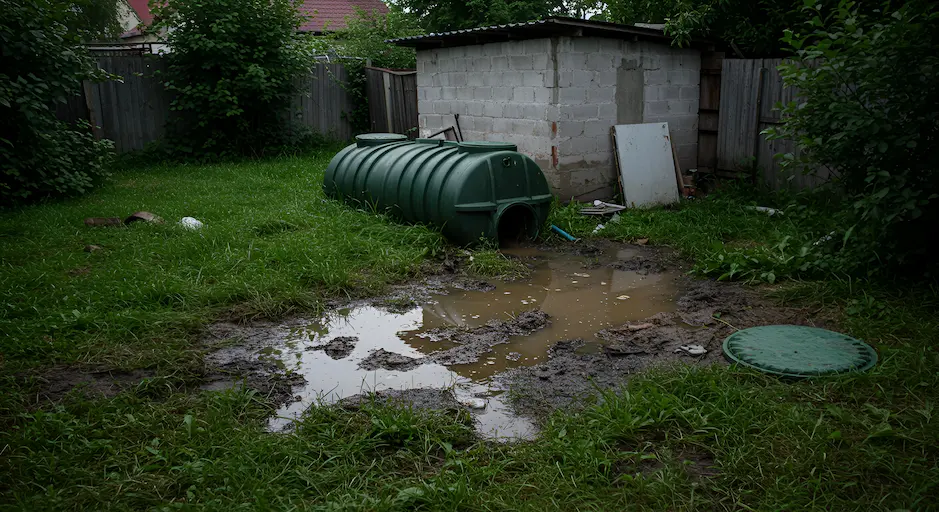
A septic system does its best work when nobody has to think about it. That is usually the goal. Water leaves the sink, the shower drains, the toilet flushes, and daily life moves on. The problem is that septic systems tend to get attention only after they smell bad, back up, or leave a wet patch in the yard that should not be there. By that point, a routine maintenance issue can turn into a repair bill that stings.
Homeowners in Sussex County know the local reality. Many properties in and around Wantage rely on private septic systems, septic services not municipal sewer lines. That puts more responsibility on the homeowner. It also means good habits matter more than most people realize. A well-built, properly maintained system can last for decades. A neglected one can fail far sooner, often for reasons that were avoidable.
If you are looking into septic services Wantage NJ homeowners actually need, the answer is not just pumping. It starts with understanding how the system works, what strains it, and when to call a professional before small warning signs turn into major trouble.
What your septic system is really doing every day
A basic septic system is simple in concept, but it works through a balance that is easier to upset than many people think. Wastewater leaves the house and flows into the septic tank. Inside that tank, solids settle to the bottom and form sludge. Lighter materials, including grease and oils, float to the top as scum. The middle layer, the relatively clear liquid called effluent, flows out to the drain field.
From there, the drain field disperses the water into the soil, where natural filtration and biological processes finish the job. When the tank is not pumped often enough, solids can move where they should not go. Once that happens, the drain field can clog, and that is when repairs stop being cheap.
In Wantage, soil conditions, groundwater levels, weather, and the age of the home all influence how well a septic system performs. A newer system on a well-draining lot behaves very differently from an older setup on a property with seasonal saturation. I have seen tanks that stayed in decent shape for years because the household was careful with water use and maintenance. I have also seen systems under ten years old struggling because of constant overloading, wipes in the tank, and no pumping schedule.
Why septic issues often sneak up on homeowners
One reason septic trouble catches people off guard is that the early symptoms are easy to dismiss. A slow drain seems like a plumbing nuisance. A little odor outside feels temporary. A patch of extra-green grass can look like healthy growth. But septic systems rarely fail all at once. They usually decline in stages.
The first stage is often excess accumulation in the tank. Then the system starts handling wastewater less efficiently. After that, the drain field may begin to receive solids or too much water. By the time sewage backs into a basement shower or gurgles up in the lowest drain, the issue has usually been building for a while.
This is why regular septic services matter. Inspections and pumping are not glamorous, but they give homeowners a chance to catch the system before it reaches the expensive stage.
The pumping schedule most homes should follow
A common question is how often a septic tank should be pumped. There is no universal calendar date that fits every house. Tank size, household size, and daily water usage all play major roles. A family of five with frequent laundry loads and long showers will fill a tank much faster than a retired couple that lives quietly and conserves water.
That said, many homes need pumping somewhere in the range of every three to five years. Some need it sooner. Small tanks, heavy usage, garbage disposal use, and frequent guests can push that interval down. Larger tanks with light use can sometimes stretch a bit longer, but guessing is not a great strategy. An inspection gives a clearer answer than rules of thumb.
One detail people often miss is that pumping too late does not just make the tank full. It raises the risk that solids will leave the tank and enter the drain field. Once the drain field is affected, even a fresh pump-out may not restore proper function. At that point, you may be dealing with line cleaning, baffle repair, or a larger drain field issue.
What a good septic service visit should include
Not every service call is the same. A proper septic visit should do more than remove waste and leave. A solid technician pays attention to the condition of the tank, the access lids, the baffles or tees, and signs of water intrusion or structural wear. They should also give practical feedback based on what they see.
For example, if the sludge level is unusually high for the amount of time since the last pumping, that may suggest heavier solids entering the tank than expected. If the liquid level is above the outlet, that may point to a downstream problem. If roots are showing up near lines, the surrounding landscaping may need to change.
This is one reason homeowners benefit from using experienced septic services Wantage NJ providers who understand local property conditions. A technician familiar with the area is more likely to connect the dots between what is in the tank and what is happening outside, especially after wet seasons or freeze-thaw cycles.
Everyday habits that keep the system healthy
Most septic problems begin in the house. The tank is not a trash can, and it is not designed to process everything that can fit through a drain. What goes in, and how much water goes in with it, determines a lot about long-term performance.
Here are the habits that make the biggest difference:
- Pump the tank on a realistic schedule based on household size and actual use.
- Spread out laundry loads instead of doing many back to back on the same day.
- Keep grease, wipes, hygiene products, and harsh non-biodegradable waste out of drains.
- Fix running toilets and leaking fixtures quickly so the system is not overloaded.
- Protect the drain field from vehicle traffic, heavy structures, and deep-rooted plantings.
These may sound basic, but they prevent a surprising number of service calls. A running toilet, for example, can send hundreds of extra gallons into the system over time. That steady overload may not create an immediate backup, but it can saturate the drain field and shorten its life. The same goes for marathon laundry days. A septic system handles steady, moderate flow better than repeated surges.
The products people flush that cause the most trouble
Manufacturers label many things as flushable that have no business in a septic system. Wet wipes are the classic offender. They do not break down the way toilet paper does, and they often tangle into masses that interfere with flow or pumping. Paper towels, feminine products, cotton swabs, dental floss, and cat litter also create trouble. Even products made from natural fibers may persist longer than homeowners expect.
Kitchen waste is another source of damage. Grease, fats, and oils cool and congeal. They also contribute to the scum layer in ways that reduce the tank's effective volume. Food scraps from a garbage disposal add solids quickly, which means more frequent pumping is needed. In homes with older septic systems, heavy garbage disposal use can be especially hard on the tank.
Cleaning chemicals deserve some judgment too. Normal household use of standard cleaners is usually fine. Dumping large amounts of bleach, solvents, paint products, or drain chemicals into the system is not. Septic tanks depend on biological processes, and extreme chemical loads can disrupt that balance. More importantly, many harsh chemicals create risks for the soil treatment area downstream.
Water management matters more than additives
A lot of homeowners ask about septic additives. The marketing is persuasive. Bottles promise healthier bacteria, cleaner tanks, and fewer pump-outs. In practice, additives are often oversold. A healthy septic tank already contains the bacteria it needs from normal household waste. Additives do not replace pumping, and some products can even stir up solids in ways that are unhelpful.
If you want the best return on effort, focus on water management before additives. The system performs better when flow is steady and reasonable. High-efficiency toilets, repaired leaks, and spreading out heavy water use do more for a septic system than most bottle treatments ever will.
I have heard homeowners say they used additives for years and thought that meant they could delay service. Sometimes they got lucky. Other times, the first sign that luck ran out was sewage in a tub. Septic services are still essential because solids accumulate no matter what is poured into the tank.
Warning signs you should not ignore
A septic system usually gives clues before it fails outright. Paying attention early can save a lot of money and frustration.
- Drains slow down across the house, not just at one sink or tub.
- Toilets gurgle, especially after running water elsewhere.
- Sewage odors linger near the tank, drain field, or basement plumbing.
- Grass above the drain field becomes unusually lush, spongy, or wet.
- Wastewater backs up into the lowest drains in the home.
One slow sink alone may be a local clog. Several slow fixtures at once usually point to something larger. The same goes for odors. A brief smell after a pump-out is one thing. Persistent sewage odor around the yard is another, especially if it appears with damp ground.
When those signs show up, timing matters. A prompt inspection can reveal whether you are dealing with a full tank, a blocked line, a broken baffle, or a saturated drain field. Those are very different problems with very different price tags.
Seasonal challenges in Wantage
Northern New Jersey weather adds stress that homeowners in milder climates do not always face. Heavy spring rains can saturate soil and make drain fields less effective for a time. Winter freezes can affect shallow pipes or expose weak spots in systems that already have flow issues. A sudden thaw after prolonged cold can reveal where the system has been struggling underneath.
Summer brings a different pattern. Extra guests, kids home from school, more laundry, and outdoor water use can all increase septic loading. Holiday weekends are especially hard on smaller systems. A tank that is already close to due for pumping may decide that the busiest weekend of the summer is the moment to object.
Fall is often a smart time to schedule service because it lets homeowners go into winter with a little less uncertainty. If the tank is due, or if there have been signs of sluggish drainage, handling it before frozen ground and holiday gatherings is usually the easier move.
Why the drain field deserves more respect
Homeowners tend to think about the tank because that is the part that gets pumped. The drain field, though, is where the most expensive problems often occur. Once a drain field is damaged or clogged, the repair process can become invasive and costly. Depending on the site, replacement may involve excavation, permits, design requirements, and landscaping disruption that few people enjoy paying for.
Protecting the drain field is mostly about restraint. Do not drive over it with cars, trucks, trailers, or heavy equipment. Do not build sheds, patios, or additions over it. Be cautious about where roof runoff, sump discharge, and surface drainage are directed. Extra water in the wrong place can keep the soil too wet to process effluent properly.
Trees are another judgment call. Mature roots seek moisture, and septic lines make an inviting target. A pretty planting decision made too close to the field can lead to years of root intrusion headaches. If you are not sure where the field lines run, that is worth determining before any major landscaping project.
Buying or selling a home with a septic system
Real estate transactions bring septic systems into focus fast. Buyers want confidence that the system is functioning. Sellers want to avoid surprises that derail a closing. A septic inspection is one of the most useful steps in that process because it reveals both current condition and likely near-term needs.
A pumped tank does not guarantee a healthy system, and a tank that has not been serviced in years does not automatically mean disaster. What matters is the actual condition of the components and how the system responds. I have seen transactions where a modest baffle repair solved the concern and others where surface seepage near the field changed the whole negotiation.
If you are selling, it helps to have maintenance records, pump-out dates, and any prior repair history ready. If you are buying, ask where the tank and field are located, how many people have been using the house, and when the last service was performed. Those details provide context that an isolated visual impression cannot.
Choosing a septic company without guessing
Not all septic companies provide the same level of service. Some focus on fast pumping and move on. Others are more diagnostic and communicate clearly about what they find. When choosing a provider, it helps to ask practical questions about what is included, whether they inspect tank components during pumping, septic services Wantage NJ and how they handle follow-up if a problem is discovered.
Local experience matters. A company that regularly provides septic services in Wantage NJ is more likely to understand common lot conditions, local permitting realities, and the kinds of systems found in the area. That local familiarity can be valuable when a problem is not obvious.
It also helps when the technician explains findings in plain language. Homeowners should leave a visit knowing more than they did before. You should understand whether the tank was simply due, whether a component needs attention, and roughly when the next service should happen. Good septic services are part maintenance and part education.
Keeping records saves money later
One of the easiest ways to take better care of a septic system is to keep a simple file. Record pump-out dates, inspection notes, repairs, and the tank size if you know it. Add a sketch or map of the tank and drain field location if you have one. This does not need to be complicated. A folder, a note on your phone, or a home maintenance binder works fine.
Those records help in several ways. They make it easier to plan the next service. They help a technician compare current conditions with prior visits. They are useful when selling the property. Most of all, they keep septic maintenance from turning into a guessing game.
People often remember furnace service because there is a sticker on the unit. Septic systems are buried and easy to forget. Good records bring them back into the maintenance routine where they belong.
The practical bottom line for homeowners
Septic care is less about fancy tricks and more about discipline. Pump on schedule. Watch what enters the drains. Manage water use. Protect the drain field. Pay attention when the house or yard starts telling you something is off. Those basics solve far more problems than miracle products or wishful thinking.
For homeowners relying on septic services, the best results come from staying ahead of trouble rather than reacting to it. A routine service call is inconvenient for an afternoon. A backup during a busy week, or a failing drain field during a home sale, is a much bigger disruption.
If you live in Sussex County and rely on septic services Wantage NJ professionals for maintenance, think of that relationship as part of responsible homeownership, not just a repair contact. A septic system may be out of sight, but it should never be out of mind. The homes with the fewest septic emergencies are rarely the lucky ones. They are usually the homes where someone paid attention before the system had to demand it.
Excavating New Jersey LLC
Address: 406 County Rd 565, Wantage, NJ 07461
Phone number: +19737914284
FAQ About Septic Services Wantage NJ
What is the average cost to get a septic tank emptied?
Emptying a septic tank costs between $290 and $560 on average, with most homeowners paying about $420. Prices vary based on tank size.
What is septic service?
Septic service inspects, pumps, cleans, and maintains a septic tank. A septic tank is a large, underground container that collects and treats wastewater from your home. Over time, sludge, scum, and other debris, like hair and solids, can build up in your tank and clog your drain field.
How often should you have a septic tank serviced?
A standard septic tank should be inspected every 1 to 3 years and pumped every 3 to 5 years. However, the exact schedule depends on your tank's capacity, household size, and daily water usage.