Septic Services Wantage NJ: How to Extend the Life of Your Tank
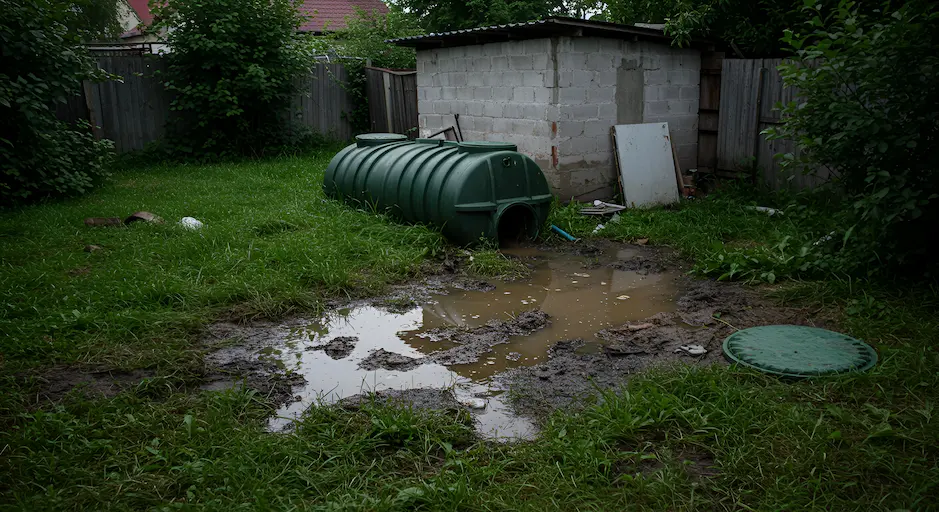

A septic system does its best work when nobody thinks about it. Toilets flush, sinks drain, showers run, and the yard stays dry. That quiet reliability is easy to take for granted until a tank backs up, a drain field turns soggy, or a repair estimate lands with five figures on it. In a place like Wantage, where many homes depend on private septic systems and well water, good maintenance is not optional. It is part of responsible homeownership.
The good news is that septic systems usually give plenty of warning before they fail completely, and many of the worst problems are preventable. I have seen tanks last decades with steady, boring care. I have also seen relatively young systems struggle because of overloaded water use, poor pumping habits, heavy vehicles crossing the yard, and well-meaning homeowners flushing things that should never have gone down the drain.
If you are looking into septic services Wantage NJ homeowners actually need, the first step is understanding what makes a septic system age well. A tank is not just a buried container that occasionally needs pumping. It is part of a living system that depends on flow, bacteria, soil conditions, and common sense.
The basic job your septic system is doing
A standard residential septic system has two main parts, the tank and the drain field. Wastewater from the house flows into the tank. Solids settle to the bottom as sludge, lighter materials such as grease rise to the top as scum, and the partially clarified liquid in the middle moves out to the drain field. From there, the soil does the final treatment work.
That sounds simple, but a lot has to go right. The tank needs enough time to separate solids from liquid. The drain field needs soil that can accept and filter water. The baffles and inlet and outlet tees need to remain intact so solids stay where they belong. If any one part gets stressed too often, the entire system starts to suffer.
People are often surprised to learn that the tank itself is not usually the part that dies first. More often, neglect sends solids into the drain field, and once that field is badly compromised, the repair is larger, messier, and much more expensive than a routine tank service would have been.
Why septic systems in Wantage need a little extra respect
Wantage properties vary. Some are on larger rural lots with mature trees and older systems. Others have newer installations, additions, or homes with finished basements and increased occupancy compared with the original design assumptions. Sussex County weather also adds some complications. Heavy rain, freeze-thaw cycles, spring saturation, and winter access issues can all affect how a system behaves and how easy it is to service.
A system that seems fine in August can reveal weaknesses during a wet spring. Drain fields do not like being waterlogged from above while also trying to handle wastewater from the house. Cold weather can slow down the practical side of maintenance too, especially if lids are buried deep, snow cover is heavy, or the access points were never raised to grade.
This is one reason local septic services matter. A contractor familiar with Wantage NJ is more likely to recognize the common trouble patterns in the area, including grading problems, root intrusion from older landscaping, and the way seasonal occupancy changes can affect a tank’s loading.
Pumping on time is not optional
If there is one habit that extends tank life more than any other, it is regular pumping. Not because pumping fixes everything, but because it prevents the kind of internal buildup that sends solids downstream. Every tank accumulates sludge and scum. Bacteria reduce some waste, but not enough to eliminate the need for service.
How often a household should pump depends on tank size, number of occupants, water use, garbage disposal habits, and whether people are putting stress on the system in ways they should not. A common range for many homes is every three to five years, though some need it sooner. A small tank serving a full household can need more frequent attention. A lightly used vacation property might go longer, but that should be based on inspection and usage, not guesswork.
The homeowners who run into trouble are often the ones who treat pumping like an emergency-only service. They wait until toilets gurgle, drains slow down, or the yard smells off. By then, the system may already be sending distress signals. Routine pumping is cheaper than drain field work by a wide margin.
A good septic services provider does more than empty the tank. During service, they can note the sludge level, check the condition of baffles if accessible, look for signs of backflow or unusual water levels, and tell you whether your pumping interval seems realistic for the way your household lives.
Water overload is one of the fastest ways to shorten tank life
Many septic failures are not caused by dramatic misuse. They come from too much water, too often. The tank needs retention time. The drain field needs time to absorb and disperse effluent. If a family pushes hundreds of gallons through the system in a short period, the tank cannot separate solids as effectively, and the field gets hit with more liquid than it can comfortably handle.
I have seen this happen in houses where everything looked normal on paper. Then you learn the washing machine runs five loads every Saturday, two teenagers take long showers back-to-back, and an old toilet quietly leaks around the clock. No single habit seems catastrophic, but together they can keep the system under constant hydraulic stress.
The biggest hidden offenders are usually leaks. A running toilet can waste a surprising amount of water. A softener that regenerates too often can add unnecessary flow. A dripping fixture is not just a water bill problem when you are on septic. It affects the life of the entire system.
Here are the habits that make the biggest difference:
- Fix leaking toilets, faucets, and valves promptly, especially toilets that run intermittently or silently.
- Spread laundry over the week instead of doing many loads in one day.
- Install water-efficient fixtures if your home still has older high-volume toilets or showerheads.
- Be careful with water softener settings so regeneration matches actual household demand.
- Redirect roof runoff and surface water away from the drain field area.
None of these habits are glamorous, but they work. Septic systems like steady, moderate use better than sudden https://pastelink.net/zffne7x1 surges.
What should never go into the tank
Homeowners usually know not to pour paint or motor oil down a drain. The problems tend to come from products marketed as flushable, disposable, or convenient. Septic systems are not built for wipes, feminine hygiene products, paper towels, dental floss, cat litter, cigarette filters, or grease. They also do not respond well to repeated dumping of harsh chemicals that disrupt bacterial activity or introduce materials that simply do not break down.
Cooking grease is a common one. People rinse a warm pan and assume it is fine because the grease is liquid at the moment. Once it cools, it congeals. In a municipal sewer system that is bad enough. In a septic tank, it contributes directly to scum buildup and can interfere with normal separation.
Garbage disposals deserve an honest discussion too. They are not automatically forbidden, but they do increase the solids load going into the tank. Households that rely heavily on disposals usually need more frequent pumping. If you compost food scraps or throw them in the trash instead, your septic system will have an easier life.
The drain field is where expensive mistakes show up
A lot of septic advice focuses on the tank because it is the visible service point. The drain field deserves equal attention. Once solids or excess water begin damaging the field, the consequences spread beyond a simple pumping visit.
Homeowners often hurt the field without realizing it. Parking a truck over it compresses the soil and can damage buried components. Planting aggressive trees nearby invites root intrusion. Building a shed, patio, or addition too close changes drainage and access. Even repeated mowing with heavy equipment on soft ground can contribute to compaction over time.
If you know where your drain field is, treat that area gently. Grass is ideal. It helps with erosion control and does not send deep invasive roots toward the lines. Keep heavy loads off it. Keep water moving away from it. Do not use it as overflow parking during family gatherings or contractor visits.
I remember one property where the owners had no septic complaints for years, then suddenly dealt with wet spots and odors. The tank had been pumped on schedule. The issue turned out to be a combination of vehicles using the side yard during a home renovation and a new downspout line discharging too close to the field. The system was not dirty so much as chronically overloaded and compacted. That distinction matters, because the fix is not always just another pump-out.
Additions, occupancy changes, and lifestyle shifts matter
Many older septic systems were sized for a different version of the home. Maybe the house originally had two bedrooms and now functions like four. Maybe a seasonal property became a full-time residence. Maybe adult children moved back in, or a finished basement added a bathroom and a second laundry area.
Septic systems do not care about real estate listings. They care about actual wastewater volume and solids load. If your household has changed substantially from the way the system was originally used, it is smart to discuss that with a local professional. A tank that seemed adequate twenty years ago may be under more pressure now even if nothing is technically broken.
This is one reason routine inspections are valuable. A septic services company can connect the dots between usage patterns and system performance. They may recommend more frequent pumping, water-use adjustments, riser installation for easier maintenance, or in some cases a longer-term plan for upgrades.
Baffles, lids, and risers are small details with big consequences
A homeowner might think the tank itself is one solid, permanent piece of infrastructure. In reality, several smaller components play an outsized role in protecting the system. Inlet and outlet baffles help keep solids from rushing out of the tank. If those are damaged or missing, the drain field becomes vulnerable. Lids need to be secure and structurally sound. Access points buried too deep can discourage proper maintenance because every service visit becomes more complicated and expensive.
Risers are worth mentioning because they are one of the most practical upgrades for many properties. A riser brings the tank access point closer to the surface. That makes future pumping and inspection easier, often cleaner, and less disruptive to the yard. In cold-weather regions, easier access can also mean less delay when service is needed.
A local contractor performing septic services in Wantage NJ may suggest risers if your lids are deep or hard to locate. Homeowners sometimes hesitate because it feels like an optional add-on. In practice, anything that makes regular maintenance more likely is often money well spent.
Beware of miracle additives and quick fixes
Septic additives are a subject that comes up often. Some products claim to boost bacteria, reduce pumping needs, or restore sluggish systems. The reality is less exciting. A healthy residential septic tank already receives bacteria from normal household waste. Additives are rarely the thing standing between a good system and a bad one.
More importantly, additives do not remove solids. They do not replace pumping. Some products may stir up material in ways that increase the chance of sending suspended solids into the drain field. Others simply lighten the homeowner’s wallet.
If a system is underperforming, the answer is usually not a bottle. It is inspection, pumping if needed, checking water use, and identifying whether the issue is in the tank, the line, or the field. That kind of diagnosis is where experienced septic services provide real value.
Seasonal care matters more than people think
Septic systems tend to reveal problems during weather extremes. In late winter, frozen or compacted soil can complicate drainage. In spring, high groundwater and saturated soils can reduce the field’s ability to accept effluent. During the holidays or summer gatherings, extra guests can dramatically increase daily water use.
This does not mean you need to panic every season. It means matching your habits to the conditions. If you are hosting family for a long weekend, be mindful of laundry, showers, and dishwasher cycles. If your yard stays wet after snowmelt, pay attention to any changes near the drain field. If your home is vacant for stretches, do not assume the system is maintenance-free forever. Intermittent use can hide slow-developing issues until the house is occupied heavily again.
One practical tip for Sussex County winters is to avoid driving over the septic area after the ground begins to freeze. Snow cover actually helps insulate the soil. Compacted snow and rutted ground remove some of that protection and can increase the chance of freezing in vulnerable systems.
Signs it is time to call for service
Not every symptom means system failure, but certain signs should never be ignored. The earlier you investigate, the better your odds of avoiding a larger repair.
- Drains are slow throughout the house, not just at one fixture.
- Toilets gurgle or bubble when nearby fixtures are used.
- There is sewage odor indoors or in the yard near the tank or field.
- Wet, spongy, or unusually green patches appear over the drain field.
- Backups occur after rain or periods of heavy household water use.
A single slow sink can be a local clog. Several symptoms across the house point toward a system issue. That is where prompt septic services make a real difference.
Choosing the right septic services provider
Homeowners often call the first name they find when a problem becomes urgent. That is understandable, but septic work is one of those services where local knowledge and clear communication matter. You want someone who does not just pump and leave, but who can explain what they are seeing and what it means for the next few years of ownership.
Ask practical questions. How often do they recommend pumping based on your household size and tank size? Will they inspect accessible components during service? Can they help locate the tank and field if you are unsure? Do they note warning signs such as high liquid level, damaged baffles, or evidence of solids reaching the outlet?
Good contractors tend to speak plainly. They do not promise that every problem has a cheap fix. They also do not rush to the most expensive answer without explaining why. In my experience, the best septic services professionals combine mechanical knowledge with a realistic understanding of how families actually use their homes.
Keeping records helps more than most people expect
One of the simplest ways to extend the life of your tank is to keep a basic septic file. Record the date of each pumping, the company name, any observations from the technician, the tank size if known, and a sketch or photo showing approximate tank and drain field locations. If lids, risers, filters, or baffles were repaired, note that too.
This matters because memory gets fuzzy fast. Three years can feel like one. A new homeowner may inherit no records at all. When a service provider arrives with context, they can make better recommendations. If there is a recurring issue, the pattern becomes easier to spot.
You do not need a complicated system. A folder, a note on your phone, or a spreadsheet is enough. The value is in having facts instead of guesses.
The cheapest septic strategy is usually the least dramatic one
People tend to think septic care must involve major work or major expense. Most of the time, the opposite is true. The best strategy is uneventful. Pump the tank on schedule. Keep water use reasonable. Protect the drain field. Watch what goes down drains. Fix leaks quickly. Pay attention when the house gives subtle warnings.
For homeowners in Wantage, that steady approach goes a long way. Rural systems reward consistency. They do not need perfection, but they do need respect. If you stay ahead of maintenance and call for septic services before small problems become big ones, your tank has a much better chance of lasting the long haul.
That is really the goal. Not a fancy system. Not a miracle additive. Just a durable septic setup that keeps doing its job year after year, because the homeowner treated it like the critical piece of infrastructure it is.
Excavating New Jersey LLC
Address: 406 County Rd 565, Wantage, NJ 07461
Phone number: +19737914284
FAQ About Septic Services Wantage NJ
What is the average cost to get a septic tank emptied?
Emptying a septic tank costs between $290 and $560 on average, with most homeowners paying about $420. Prices vary based on tank size.
What is septic service?
Septic service inspects, pumps, cleans, and maintains a septic tank. A septic tank is a large, underground container that collects and treats wastewater from your home. Over time, sludge, scum, and other debris, like hair and solids, can build up in your tank and clog your drain field.
How often should you have a septic tank serviced?
A standard septic tank should be inspected every 1 to 3 years and pumped every 3 to 5 years. However, the exact schedule depends on your tank's capacity, household size, and daily water usage.