Norweco Singulair Green Wantage NJ: From Installation to Ongoing Maintenance
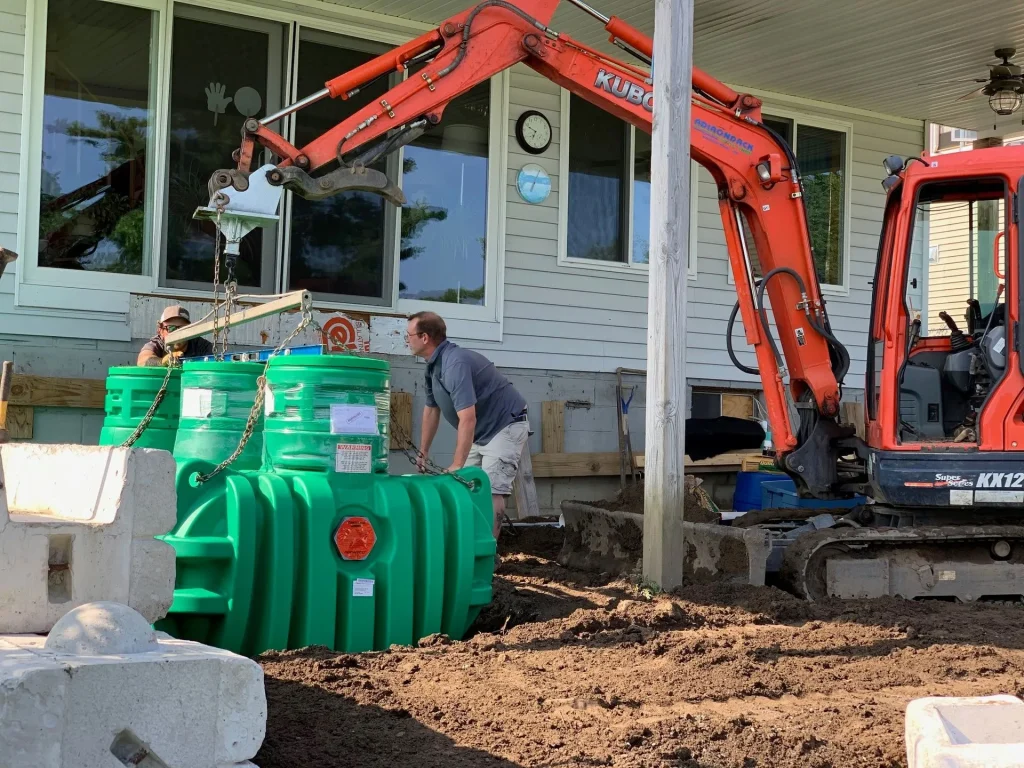

For property owners in Wantage, septic decisions rarely stay theoretical for long. Sooner or later, a home purchase, a system failure, an addition, or a renovation pushes wastewater treatment to the top of the priority list. When that happens, the Norweco Singulair Green system often enters the conversation, especially on sites where a conventional gravity septic layout is not practical or where a higher level of treatment is needed before dispersal.
The phrase norweco singulair green Wantage NJ tends to come up when homeowners are comparing advanced treatment options and trying to understand what daily ownership actually looks like. That is the right question to ask. A treatment unit is not just a product set into the ground and forgotten. It is part of a working system that has to match the site, the home, the wastewater load, the climate, and the owner’s willingness to stay on top of service.
A well-installed Norweco Singulair Green can perform reliably for years, but the difference between smooth operation and constant trouble usually comes down to design, installation quality, and routine maintenance. Those three factors matter more than the sales brochure.
Why this system gets attention in Wantage
Wantage properties vary more than many people expect. Some lots offer enough room and norweco singulair green Wantage NJ suitable soils for fairly straightforward septic layouts. Others present constraints that complicate everything, from shallow seasonal high water tables to sloping terrain to older homes on limited footprints. In those situations, advanced treatment systems become attractive because they can improve effluent quality before it reaches the dispersal area.
The Norweco Singulair Green is generally discussed as an aerobic treatment system. In practical terms, that means it treats wastewater with the help of oxygen and mechanical components rather than relying only on passive settling and soil absorption. That added treatment can help when a site needs cleaner effluent to support the approved disposal method.
Homeowners often first hear about the system through an engineer, septic designer, installer, or real estate transaction. Sometimes it appears as the preferred option for a replacement system when an aging septic tank and field can no longer meet code or site conditions. Other times it is proposed for new construction where a more sophisticated treatment train opens the door to a buildable design.
What matters most is that the system is not selected in a vacuum. It should be recommended because the site evaluation and design support it, not because it is simply the most familiar brand in a contractor’s lineup.
What a Norweco Singulair Green system is really doing
At the homeowner level, it helps to think of the unit as a compact wastewater treatment plant serving a single property. Raw sewage from the house enters the treatment system, where solids settle, biological treatment occurs, and clarified effluent moves on to whatever discharge method the approved design uses, often some form of subsurface dispersal.
That sounds simple on paper, but the details matter. Mechanical aeration, recirculation, internal components, and electrical controls all have to work in step. When they do, treatment quality can be very good. When even one part is ignored, performance drops faster than many owners realize.
This is one reason advanced treatment systems need a different mindset than a basic septic tank. A conventional tank has fewer moving parts and fewer service requirements, though it still needs pumping and care. A Singulair Green unit asks for more attention, but in return it may make possible a compliant wastewater solution on a site that would otherwise be difficult to serve.
There is always a trade-off. Better treatment typically means more equipment, more oversight, and higher long-term operating costs.
The installation phase is where most future problems are created or prevented
When owners talk about septic trouble, they often focus on what happened years later. In reality, a large share of chronic issues can be traced back to the original installation. A premium treatment unit cannot compensate for careless excavation, poor elevations, bad electrical work, or a dispersal field installed under marginal conditions.
In Wantage, timing can affect installation quality more than people think. Late fall and wet spring work can create difficult soil conditions. Heavy machinery on saturated ground may smear soils, disturb grade, or leave the dispersal area worse than it appears at the final walkthrough. Frost conditions bring their own complications, especially if trenches are open too long or backfilling is rushed.
A proper installation starts long before any tank is set. The approved design has to match actual field conditions. In practice, that means the installer, engineer, and excavator need to be aligned on elevations, setbacks, piping runs, electrical feeds, venting, and final grading. The best jobs are boring to watch because each phase has already been thought through.
The worst jobs usually show the opposite pattern. A tank shows up before the site is fully prepared. Utility conflicts are discovered midstream. Components are shifted slightly to make room. Someone says, “We’ll make it work.” That phrase causes a lot of expensive service calls later.
Site work and excavation
Excavation for an advanced treatment system should be exact, not approximate. Tank depth, inlet and outlet elevations, and bedding all matter. If the unit sits incorrectly, the hydraulic profile of the whole system can be compromised. That can lead to backups, poor flow, nuisance alarms, or stress on components.
Backfill also deserves more attention than it usually gets from homeowners. Improper backfill can create settlement around lids and risers, allow water intrusion, or put uneven pressure on the tank. In colder parts of New Jersey, cover depth and insulation strategy may also be part of the discussion depending on site conditions and design.
Electrical and controls
Unlike a passive septic tank, this system depends on electrical components. That means the installation is not complete until power supply, alarms, control panels, and any necessary disconnects are properly installed and tested. It is surprising how often a septic issue turns out to be partly an electrical issue.
A homeowner should know where the alarm is, what it sounds or looks like, and who to call if it activates. That sounds basic, but many people move into houses with advanced systems and receive almost no orientation. They know they have septic. They do not know they have a treatment unit that requires active monitoring.
Dispersal area integration
No treatment unit works alone. The dispersal area remains essential. Whether the approved design uses beds, trenches, drip dispersal, or another method, cleaner effluent helps, but it does not eliminate the need for careful installation and hydraulic balance.
If the disposal field is undersized, damaged during construction, or exposed to roof runoff and surface water, the best treatment unit in the county will not save it. This is why experienced professionals look at the entire wastewater system as one chain. Every link matters.
The first year after installation tells you a lot
The first year is when owners and service providers usually learn whether the system was installed cleanly and whether household habits will support it. A new system can seem flawless for the first few months because occupancy is light, rainfall is moderate, and components are brand new. Then real life begins.
A holiday gathering puts ten people in the house for a weekend. Laundry piles up. A basement dehumidifier drains into the wrong line. The sump pump discharge saturates nearby ground. A power interruption goes unnoticed. Any of those can expose weaknesses.
During this early period, homeowners should pay attention to patterns rather than waiting for a crisis. If alarms repeat, if odors appear, if wet spots persist downslope of the dispersal area, or if toilets begin to drain differently after heavy water use, those are signals worth investigating. Small signs tend to get larger, not smaller.
What regular maintenance actually involves
A Norweco Singulair Green system needs active maintenance. That should not scare anyone, but it should be understood before purchase or installation. Service is not optional in any meaningful sense. Skipping it may not trigger an immediate failure, but it sharply increases the odds of reduced treatment performance and costly repairs.
Most service visits focus on the condition of mechanical components, sludge and scum accumulation, aeration function, alarms, filters if present, and overall system operation. Pumping intervals vary by household size, water use, and solids loading, so it is better to think in terms of inspection-based scheduling than a one-size-fits-all calendar.
A small retired couple may go much longer between pump-outs than a family of five with frequent guests and heavy laundry demand. The system does not care how many bedrooms the home has on paper. It responds to actual use.
The maintenance routine usually revolves around a few practical tasks:
- Inspect the treatment unit and confirm all mechanical and electrical components are operating properly.
- Measure solids levels and determine whether pumping is needed based on actual accumulation.
- Clean or service accessible components according to manufacturer guidance and field condition.
- Check alarms, lids, risers, and evidence of infiltration or surface water problems.
- Review homeowner water use habits if recurring issues suggest overload or misuse.
That list is short, but the judgment behind it is not. A technician with experience can often spot a developing problem from subtle clues, a slightly different sound from the aerator, an unusual scum layer, evidence of root intrusion, or a pattern of elevated water in a compartment after storms. Those details rarely show up on a generic maintenance checklist.
The homeowner habits that make or break system life
I have seen advanced treatment systems treated in two completely different ways. In one house, the owners know where every cleanout is, keep records, and call for service before a minor issue turns major. In another, the alarm gets norweco singulair green Wantage NJ ignored, lids are buried under landscaping, and someone insists that “it’s probably fine.” The second house usually becomes an emergency job.
Daily use habits matter more than many owners expect. A Singulair Green unit can handle normal residential wastewater, but it is not a magic box that neutralizes every bad habit.
The most common troublemakers are easy to name: excessive water loading, grease, wipes, harsh chemicals in large quantities, and neglected leaks. A running toilet can push a shocking amount of extra water through a system in a short time. Spread that over weeks and you are not dealing with ordinary household flow anymore.
Laundry practices deserve special mention. Spacing loads across the week is easier on the system than pushing six or seven loads through in one day. The same logic applies to long showers from a full house of guests. Advanced treatment units still benefit from moderated flow.
Kitchen use also matters. Grease may seem harmless when it goes down the drain warm, but it cools, thickens, and contributes to solids problems. A garbage disposal can increase solids loading significantly. Some homes manage fine with one, others wind up needing more frequent pumping because of it. The difference usually comes down to how disciplined the household is about what goes into the sink.
Seasonal issues in Wantage and similar North Jersey settings
Climate and site drainage shape ownership more than product literature suggests. In Wantage, winter cold, spring thaw, and periods of sustained rainfall can all affect septic performance. The treatment unit itself may be protected below grade, but the surrounding system is still part of an outdoor environment.
Cold weather can expose shallow piping issues or insufficient cover. Wet spring conditions can stress a marginal dispersal area. Summer occupancy spikes, especially with visiting family, can increase hydraulic demand just as lawns and landscaping activity lead people to drive equipment over areas that should remain undisturbed.
The properties that fare best usually share one trait: surface water is managed well. Roof leaders, driveway runoff, sump discharges, and grading all direct water away from the treatment and dispersal areas. The properties that struggle often allow outside water to mix with wastewater challenges. That is an avoidable mistake.
Service contracts, inspections, and recordkeeping
For advanced systems, records are not paperwork for paperwork’s sake. They help establish what normal looks like. When a technician can compare current conditions with prior service notes, diagnosis becomes faster and more accurate. It is much easier to say “this motor is louder than last year” or “solids are accumulating faster than expected” when there is a history to review.
At a minimum, a homeowner should keep installation documents, design drawings, permits if available, pump-out dates, service reports, alarm events, and repair invoices. If the house is sold later, that file becomes valuable. Buyers and inspectors are often far more comfortable when they can see that the system has been professionally maintained.
Many owners of systems like the norweco singulair green Wantage NJ setup choose a recurring service arrangement with a qualified provider. That is often money well spent, not because the unit is fragile, but because regular oversight catches trouble early. A failed component replaced promptly is usually manageable. A failed component ignored for months can lead to poor treatment, field stress, and much larger bills.
Common problems and how they usually start
Most septic failures do not arrive out of nowhere. They develop in stages. One part stops performing as intended, then another area absorbs the extra burden until the symptoms become obvious.
Here are the problems that show up most often in the field, along with their usual origin:
- Repeated alarms, commonly tied to electrical issues, component wear, or hydraulic overload.
- Odors near the unit or dispersal area, often linked to poor aeration, venting issues, or surfacing effluent.
- Slow drains or backups in the house, which may point to a clog, a high-water condition, or downstream field stress.
- Wet spots or lush strips over the disposal area, suggesting saturation, leakage, or long-term loading problems.
- Excessive solids carryover, usually related to missed pumping, unusual household inputs, or internal component issues.
None of those symptoms should be ignored. Septic systems reward early action and punish delay. Homeowners sometimes avoid making the call because they fear a major expense. Ironically, waiting is what turns moderate repairs into major expenses.
Repair versus replacement, a judgment call with real stakes
One of the harder conversations comes when a homeowner wants to know whether to repair a troubled system or replace major components outright. There is no universal answer. The right decision depends on system age, maintenance history, condition of the dispersal area, cost of parts, and how confident the service team is in the rest of the installation.
If the treatment unit is structurally sound and the problem is isolated to serviceable mechanical components, repair often makes sense. If there is a long history of neglect, evidence of field damage, infiltration, repeated alarms, and uncertain design performance, owners should look at the bigger picture before spending heavily on piecemeal fixes.
This is where candid professional advice matters. A good contractor will not automatically push replacement, but they also should not pretend a deeply compromised system is one motor away from perfect health.
Cost expectations without pretending there is one universal price
Homeowners understandably want hard numbers, but septic costs vary too much by site, design, access, and local market conditions to throw out a single figure responsibly. Installation cost can swing significantly depending on excavation difficulty, electrical work, disposal method, engineering requirements, and restoration work. Maintenance and pumping costs also vary with usage and service intervals.
What can be said with confidence is that advanced treatment systems generally cost more to install and maintain than simple conventional systems. They also may offer a workable path on sites where the simpler option is not realistic. The fairest way to frame cost is not as “cheap” or “expensive,” but as a balance between site limitations, regulatory requirements, and long-term reliability.
The most expensive septic system is often the one that looked affordable at the start because corners were cut.
Choosing the right installer and service provider
Brand matters less than competence. That may surprise some homeowners, especially after a sales-heavy consultation, but it is true. A properly designed and maintained system installed by an experienced crew will usually outperform a premium-branded system installed carelessly.
Ask direct questions. How often does the installer work with this type of treatment system? Who handles startup and owner orientation? Who services the unit after installation? How are alarm calls handled? What records will the homeowner receive? If the answers are vague, keep looking.
A strong provider usually speaks clearly about both advantages and obligations. They do not present the Norweco Singulair Green as maintenance-free. They explain what ownership involves, what warning signs to watch for, and how local site conditions affect performance.
That kind of honesty is worth a lot.
A practical ownership mindset
The best way to think about a system like this is as essential infrastructure. It is closer to a private utility than a buried appliance. Ignore it and eventually it will force itself back into your attention, usually at the worst possible time, often during a holiday weekend or a stretch of bad weather.
Owners who do well with advanced septic systems tend to follow a simple pattern. They learn the basics of how the system works, keep service current, use water sensibly, and respond quickly when something changes. None of that is complicated, but it does require consistency.
For homeowners researching norweco singulair green Wantage NJ, that is the real story from installation through long-term care. The system can be a smart fit for the right property. It can solve difficult site problems and provide strong treatment performance. But the outcome depends less on the label on the tank and more on the quality of design, the discipline of installation, and the habits that follow after the equipment is in the ground.
Handled well, it becomes quiet, dependable infrastructure. Handled casually, it becomes an expensive lesson in why wastewater systems deserve respect.
Excavating New Jersey LLC
406 County Rd 565
Wantage, NJ 07461, United States
Phone: +1 (973) 791-4284
FAQ About norweco singulair green Wantage NJ
How does a Norweco septic system work?
Singulair Green uses aerobic biological treatment in a polyethylene tank, followed by settling and filtration. The treatment unit is one part of a complete wastewater system; the site design also determines how treated effluent is dispersed.
How much does a Norweco septic system cost in NJ?
A useful estimate requires a property evaluation. Excavation access, soil conditions, engineering, electrical work, the disposal field, and restoration can affect the total. Ask Excavating New Jersey LLC for a written scope that distinguishes installation costs from ongoing service costs.
Are Norweco septic systems good?
Singulair Green is an established aerobic treatment option, but suitability depends on the property and proposed design. Compare the model's documented performance, maintenance needs, and total project scope with alternatives before deciding.