Is Norweco Singulair Green Right for Your Wantage NJ Property?

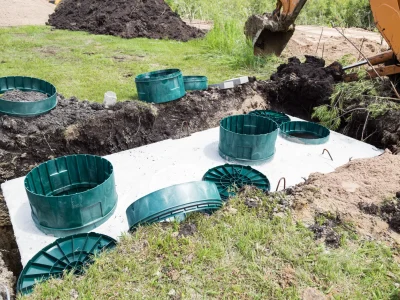
If you own property in Wantage, septic decisions are rarely simple. Soil conditions vary from lot to lot, rural homes often sit far from municipal sewer lines, and many properties have to work around older systems, high groundwater at certain times of year, or limited usable yard space. When a standard gravity septic system is not the best fit, homeowners start hearing about advanced treatment units. One name that comes up often is the Norweco Singulair Green.
The real question is not whether the system sounds impressive on paper. norweco singulair green Wantage NJ The better question is whether it fits your land, your household, your budget, and the way Sussex County properties are actually used. A system that performs beautifully at one site can be the wrong choice a few miles away if the lot conditions, occupancy pattern, or maintenance habits are different.
For property owners looking into a norweco singulair green Wantage NJ installation, it helps to step back and understand what this kind of system is designed to do, where it tends to shine, and where it requires extra thought.
Why homeowners in Wantage look beyond conventional septic
A conventional septic system is straightforward. Wastewater leaves the house, solids settle in a septic tank, and partially treated effluent flows to a drainfield where the soil handles the final polishing. When the site has suitable soils, enough separation from seasonal high water tables, and enough room for the field, that setup can work very well for many years.
The challenge is that not every Wantage property offers those conditions. Some lots have shallow restrictive layers. Others have slopes or irregular layouts that make field placement difficult. Some older homes are being renovated, with added bedrooms or expanded living space that trigger updated wastewater design requirements. In those cases, treatment often needs help before the water reaches the disposal area.
That is where advanced treatment units enter the picture. They are meant to improve effluent quality before discharge to the soil treatment area. Cleaner effluent can support designs that would be harder to achieve with a basic septic tank alone, subject to local approvals and engineering requirements.
Homeowners are often introduced to these systems during one of three moments. The first is new construction on a constrained lot. The second is replacement of a failing older system. The third is a major addition or renovation that pushes the wastewater design beyond what the original system can reasonably handle. I have seen all three scenarios lead people toward the same basic decision, which is whether they want the lower complexity of a traditional approach when possible, or the higher treatment capability of an aerobic unit when site limitations demand it.
What the Norweco Singulair Green is meant to do
The Norweco Singulair Green is an aerobic treatment system. In practical terms, that means it uses oxygen and mechanical components to support treatment that goes beyond the passive settling you get in a standard septic tank. Wastewater is treated in stages, and the process typically produces higher quality effluent than a basic tank alone.
For a homeowner, the important point is not the engineering language. The important point is this: a system like this is designed for sites where stronger treatment performance may help the overall septic design meet regulatory and environmental expectations.
Aerobic treatment units are not exotic, but they are different from the old, buried, mostly passive septic systems that many people grew up with. They have moving parts. They need power. They need periodic service. If you are the type of owner who prefers a set-it-and-forget-it system, that difference matters.
On the other hand, if your lot simply does not lend itself to a conventional design, or if the approved design requires advanced pretreatment, then the value proposition changes quickly. At that point, reliability and treatment quality matter more than simplicity alone.
The Wantage factor, why location changes the decision
The phrase norweco singulair green Wantage NJ only makes sense if the local context is part of the conversation. What works in a flat, sandy coastal area does not automatically translate to northwestern New Jersey. Wantage properties can present a mix of wooded lots, rolling topography, rockier subsurface conditions, and cold-weather operating realities.
Cold weather does not mean an advanced treatment unit cannot work. It means installation and design details matter. Burial depth, insulation considerations where appropriate, piping layout, alarm placement, and service access all deserve attention. A good installer thinks about January while standing on the site in June.
Lot layout matters just as much. Some homeowners assume the unit itself is the whole system. It is not. The treatment unit is one part of a larger wastewater plan that may still include pumps, control panels, disposal fields, and reserve area requirements. The best advanced treatment unit in the world cannot rescue a poor site plan.
Then there is occupancy pattern. A full-time family of five creates a different loading profile than a weekend home used irregularly. Aerobic systems generally perform best when they are used as intended and maintained consistently. Big swings in use are not always a deal breaker, but they should be discussed honestly with the designer and service provider.
Where this system tends to make sense
In practice, the Norweco Singulair Green often enters the conversation when the property has constraints that make standard designs difficult or less desirable. A homeowner rebuilding on a small lot may need better treatment before dispersal. Another may have an older, underperforming system on a site where replacement options are tight. Yet another may be building a higher-end home and wants a system that aligns with stricter site requirements.
I have also seen buyers become interested after learning that advanced treatment can sometimes support a more manageable field design than a conventional tank alone, depending on what local codes and the engineer allow. That does not mean the system eliminates the need for a disposal area. It means pretreatment can be a useful tool in the overall design.
This distinction matters because marketing can blur it. No advanced unit should be viewed as magic. It is part of a carefully engineered chain. If the chain is broken anywhere, whether by poor installation, missed maintenance, misuse, or bad drainage around the field, performance suffers.
The benefits that matter in real ownership
When homeowners ask whether a Norweco system is worth it, they usually want to know what changes after the install. The answer is more specific than broad claims about better technology.
One meaningful advantage is treatment quality. Cleaner effluent is not just a technical metric. It can help protect the downstream portion of the system and reduce the stress placed on the soil absorption area. Over time, that matters.
Another advantage is design flexibility in situations where flexibility is scarce. Constrained lots often force hard choices. If advanced treatment makes a compliant design possible, that alone can justify the added complexity.
There is also an environmental argument, particularly for rural properties where groundwater protection is a serious concern. Stronger pretreatment can be a responsible choice when the site is sensitive or when local standards call for higher performance.
The final advantage is that these systems are established, serviceable products, not experimental ideas. That still does not mean every contractor has equal skill with them. It does mean you are dealing with a known category of treatment equipment, with service expectations that can be planned for.
The trade-offs you should not gloss over
The downsides deserve equal airtime. The biggest one is maintenance. A conventional septic tank may go long stretches with little attention beyond pumping and common-sense use. An aerobic unit asks more from the owner. It typically requires regular inspections and service. Components can wear out. Electrical parts can fail. Alarms must be taken seriously.
Power dependence is another practical issue. If the system relies on aeration and controls, electricity is part of the operating cost and part of the risk profile. A brief outage is one thing. Repeated outages or neglected alarms are another.
Cost is the third major trade-off. Initial installation can be higher than a conventional system, and long-term ownership includes service visits, possible component replacement, and electricity. Homeowners who compare only the installation proposal often miss the bigger picture. The better comparison is total cost of ownership over ten to twenty years, along with the fact that some properties do not have a realistic conventional alternative.
There is also a behavioral trade-off. These systems are less forgiving of neglect. Flushing wipes, grease, harsh chemicals, or inappropriate materials is bad for any septic system, but advanced units do not reward bad habits. The owner needs to be willing to treat the system as important infrastructure, not invisible plumbing.
Questions worth asking before you commit
Before approving any design, I would want clear answers to a handful of practical questions:
- Why was this system recommended for this specific lot rather than a conventional alternative?
- What are the expected maintenance intervals and annual service costs in this area?
- Who will service the unit locally, and how quickly can they respond to alarms or failures?
- What does the full system include beyond the treatment unit itself?
- How will seasonal occupancy, additions, or water use patterns affect performance?
Those questions often reveal whether you are getting a thoughtful recommendation or a generic sales pitch. A good designer or installer should be able to explain the reasoning in plain language. If the answer sounds vague, or if nobody wants to talk about long-term maintenance, that is a warning sign.
Installation quality matters more than brand loyalty
Homeowners sometimes fixate on the brand and overlook the installation team. Brand matters, but installation matters more. A well-designed, correctly installed, properly maintained advanced treatment unit will usually outperform a premium product installed carelessly.
That starts with the site evaluation. Soil testing, elevation data, setbacks, grading, and drainage patterns must be accurate. Then comes system sizing, component layout, access planning, and disposal field design. Finally, the system has to be installed cleanly, commissioned correctly, and handed off to the owner with actual operating guidance.
I have seen expensive systems struggle because lids were awkward to access, alarms were not explained, or drainage around the area was poorly managed. I have also seen homeowners get years of solid performance from advanced systems because the installer took time to think through details that looked small at the start.
If you are comparing contractors in the norweco singulair green Wantage NJ market, ask them how many similar systems they have installed, what service support looks like after startup, and how they handle homeowner education. The way they answer will tell you plenty.
Ownership after the install, what daily life really looks like
Most of the time, daily life with a system like this is uneventful. That is the goal. You use water normally, follow basic septic-safe habits, keep service appointments, and pay attention if the system signals a problem.
What changes is your level of awareness. You should know where the components are. You should know who services them. You should know what the alarm means and what to do if it goes off. That is not burdensome, but it is more involved than forgetting a tank exists somewhere under the lawn.
A family with steady year-round occupancy often adapts easily. They build service into the household routine the same way they think about HVAC tune-ups or well-water testing. Problems tend to arise when owners assume the system can be ignored, or when a vacation property sits with interrupted power, long gaps in use, or no one paying attention to alerts.
The other ownership habit that matters is water discipline. You do not need to live anxiously, but you do want to avoid huge surges from back-to-back laundry loads, leaking fixtures that run for weeks, or unusual waste streams from home workshops or heavy chemical use. Good systems tolerate ordinary life. They are not designed for abuse.
Cost, with the nuance most estimates skip
It would be irresponsible to throw out a single price and pretend it applies to every Wantage property. Costs vary based on site work, permitting, disposal field design, pumping requirements, electrical runs, accessibility, and whether the project is new construction or a replacement under pressure.
The more useful way to think about cost is in layers. First, there is the treatment unit and its controls. Second, there is excavation, installation, and electrical work. Third, there is the disposal component and any pumps or dosing equipment. Fourth, there are ongoing service and operating costs. If one bid looks dramatically lower than another, make sure you are comparing all four layers.
Some homeowners experience sticker shock with advanced systems until they understand the alternative. On a difficult lot, the real comparison may not be advanced versus cheap. It may be advanced versus not building the project at all, or advanced versus a complex conventional workaround that is not actually less expensive once all site constraints are accounted for.
When it is probably a strong fit
A Norweco Singulair Green is often a strong fit when the site needs higher treatment performance, the design team has solid local experience, and the owner is realistic about maintenance. It also makes sense when the property is used consistently and the owner values a system that can support a more challenging site plan.
It is less attractive when the lot could easily support a simpler conventional system and the owner strongly dislikes service obligations or mechanical equipment. In those situations, lower complexity has real value.
The best decision usually comes from matching the system to the property rather than trying to force the property to match the system.
Signs you may want to keep looking
Not every recommendation is norweco singulair green Wantage NJ automatically the right one. Be cautious if you encounter any of the following:
- Nobody can clearly explain why advanced treatment is necessary for your lot.
- The proposal focuses on installation but barely mentions service requirements.
- You cannot identify a dependable local service provider.
- The design seems rushed, generic, or disconnected from actual site conditions.
- You are being promised a maintenance-free experience.
Those are not small issues. They are the sort of oversights that lead to expensive frustration later.
A practical way to decide
If you are weighing a norweco singulair green Wantage NJ system for your property, start with the site, not the sales brochure. Ask your engineer or licensed septic professional what constraints the lot presents and what alternatives were considered. Then ask what ownership will look like over time, not just what installation day will look like.
A sound recommendation should connect four dots clearly. The lot has specific limitations. The advanced treatment unit addresses those limitations in a defined way. The full system design complies with local requirements. The homeowner understands the maintenance commitment.
When those four pieces line up, the Norweco Singulair Green can be a very sensible choice for the right Wantage property. It is not the right answer for every home, and it should not be sold as one. But on constrained rural lots, replacement projects with limited options, or homes that need stronger pretreatment as part of an engineered septic plan, it can solve problems that a basic septic tank cannot solve alone.
That is usually the deciding point. If your property can support a simpler, code-compliant conventional system that fits your long-term goals, simplicity often wins. If your site conditions make advanced treatment the smarter path, then choosing a proven system, installed well and serviced consistently, is often money better spent than trying to squeeze a conventional design onto a lot that is telling you otherwise.
Excavating New Jersey LLC
406 County Rd 565
Wantage, NJ 07461, United States
Phone: +1 (973) 791-4284
FAQ About norweco singulair green Wantage NJ
How does a Norweco septic system work?
Singulair Green uses aerobic biological treatment in a polyethylene tank, followed by settling and filtration. The treatment unit is one part of a complete wastewater system; the site design also determines how treated effluent is dispersed.
How much does a Norweco septic system cost in NJ?
A useful estimate requires a property evaluation. Excavation access, soil conditions, engineering, electrical work, the disposal field, and restoration can affect the total. Ask Excavating New Jersey LLC for a written scope that distinguishes installation costs from ongoing service costs.
Are Norweco septic systems good?
Singulair Green is an established aerobic treatment option, but suitability depends on the property and proposed design. Compare the model's documented performance, maintenance needs, and total project scope with alternatives before deciding.